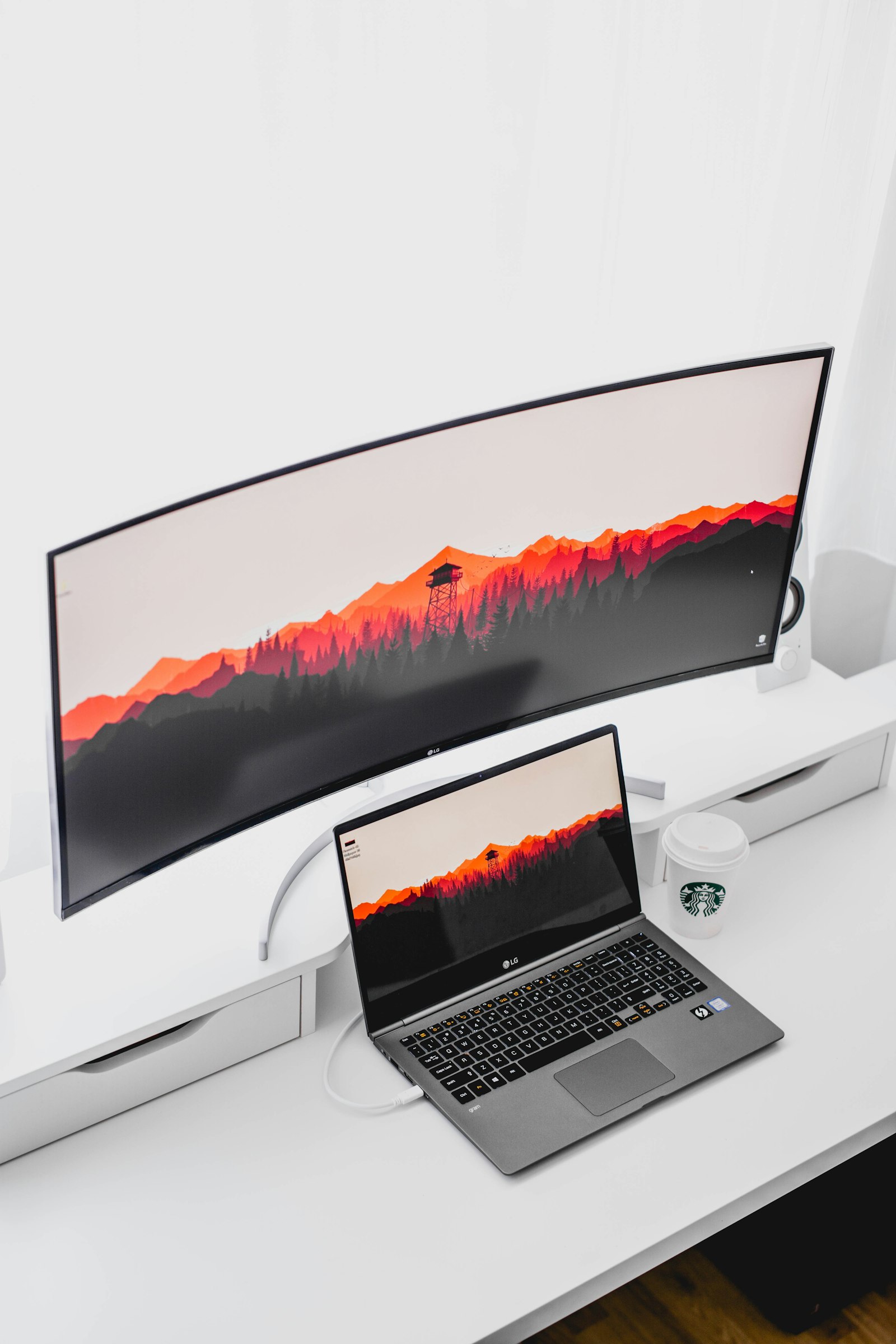
A friend visiting from Kolkata, at sea level, once asked why his laptop's fan seemed to work harder in my Kathmandu apartment than it did at home, both machines the same age, both running the same software. I didn't have an answer, and neither did a fairly long search afterward. It turns out there is a real, physical reason thinner air changes how a fan cools something, and an equally real reason it barely matters for a laptop specifically.
What Thinner Air Actually Does to a Fan
Air density drops as elevation increases, and Kathmandu's roughly 1,300 to 1,400 meters puts it at air density somewhere around 11 percent lower than sea level, comparable to the density measured near 5,000 feet elsewhere. A cooling fan moves roughly the same volume of air regardless of altitude, but volume isn't what carries heat away, mass is. Thinner air means less actual mass moving past the heatsink fins per rotation, and less mass means less heat carried off for the same fan speed.
Why This Isn't a Fringe Claim, Engineers Correct for It
This isn't a stretch of physics, it's a documented enough effect that server and electronics manufacturers publish altitude derating tables, correction factors applied to cooling capacity for equipment installed above certain elevations, generally starting somewhere in the 900 to 1,500 meter range. Data centers and server rooms at elevation genuinely need extra cooling margin to compensate for exactly this. Kathmandu's altitude sits right at the edge of where that correction starts to matter in a server room.
Why a Laptop Never Gets the Memo
Consumer laptops are designed and sold into a global market that includes cities from sea level to well above Kathmandu's elevation, so manufacturers build in thermal margin wide enough to cover that entire range without publishing altitude-specific specs the way server vendors do. A 10 percent dip in cooling efficiency from thinner air is real, but it's a small fraction of the swings already built into a laptop's thermal design tolerance, and a much smaller factor than a hot room, a dust-clogged vent, or a laptop sitting on a soft surface blocking its intake.
The Honest Verdict
Kathmandu's altitude does measurably reduce how much heat a given fan speed can carry away, and that's a real number, not a myth. It's also not something worth buying a product for or worrying about day to day, since a warm room or a blocked vent will affect your laptop's temperature far more than the altitude ever will. If your laptop runs hot here, the more useful question is still the boring one: how clean are the vents, and what's actually under it while you work.