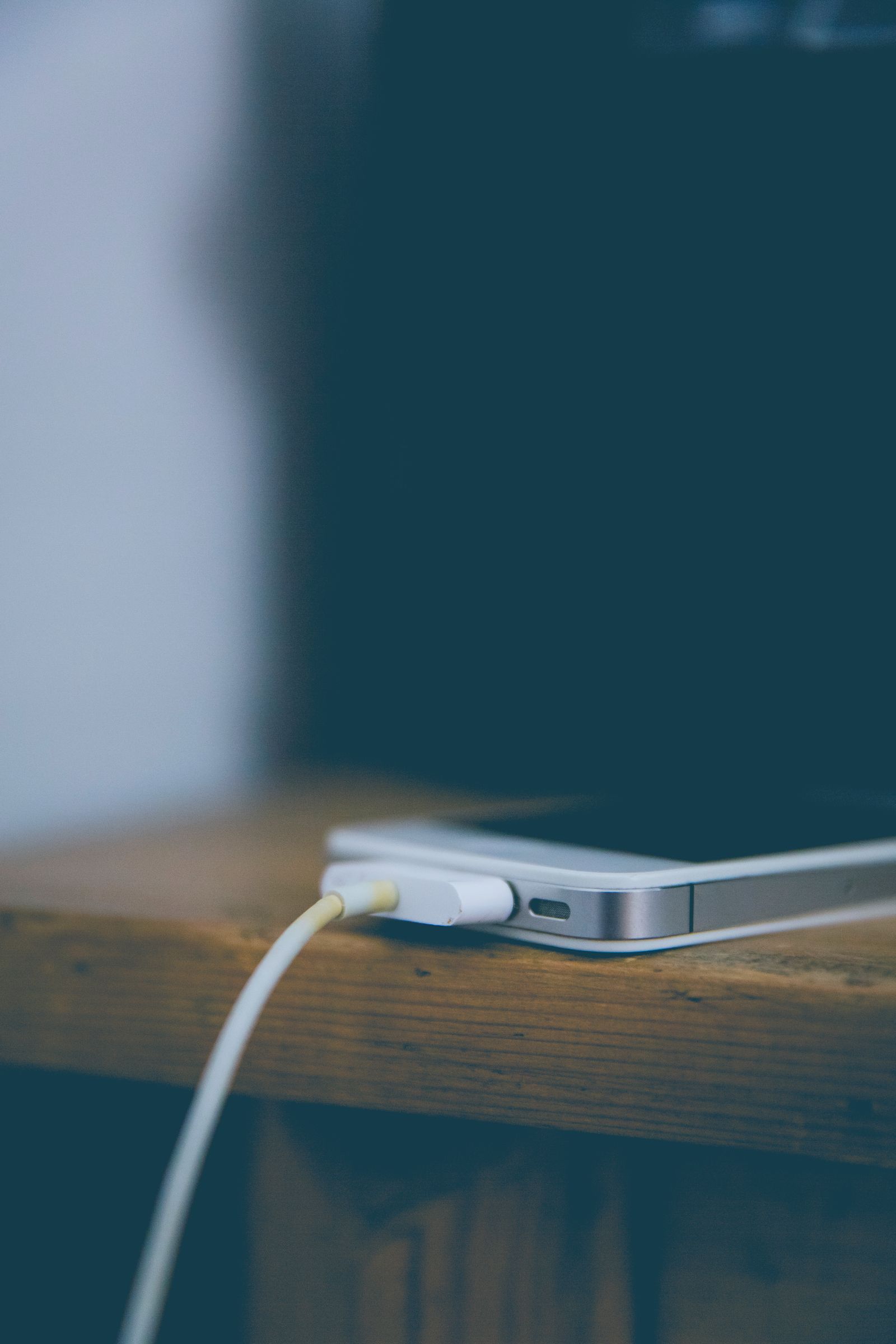
Take a toothpick to almost any phone that's spent a few months riding in a pocket, and something grey and fibrous comes out of the charging port. This isn't a manufacturing defect or a sign of a cheap phone. It happens to flagship phones just as often as budget ones, on every brand that uses USB-C, and more than a decade after the connector became standard, nobody in the industry has actually solved it.
The Port's Own Shape Is Working Against It
A USB-C receptacle is wide, shallow, and open, with an exposed metal shell and a thin center tongue holding the electrical contacts. That geometry exists so the plug can go in either way up, which is the entire selling point of the connector, but it also means the opening is almost perfectly shaped to catch and hold pocket lint: wide enough for fibers to enter easily, shallow enough that they don't fall back out, and full of narrow gaps around the tongue where they wedge in place. A round barrel connector, the kind USB-C replaced, simply didn't have this problem to nearly the same degree.
Why a Simple Screen or Mesh Doesn't Solve It
The obvious fix, some kind of fine mesh or screen across the opening, runs straight into the tolerances the spec itself demands. A USB-C plug's metal shell has to seat flush against the port's shell for a stable ground connection, with clearances measured in fractions of a millimeter. Anything fine enough to block textile fibers is also fine enough to interfere with that seating, and it would trap moisture against the contacts instead of letting the port dry out, trading a lint problem for a corrosion problem. Nobody has shipped a phone with this because, structurally, it fights the same physical constraints that make USB-C work at all.
What Phone Makers Do Instead of Fixing It
Instead of a physical solution, manufacturers built software around the symptom. Liquid and foreign-object detection firmware watches for unexpected resistance between the pins and throws up a warning before letting the port charge, which is a genuinely useful safety feature, but it's detection, not prevention. It tells you lint or moisture is already in there. It doesn't stop it from getting in, and a phone can cycle through repeated false "liquid detected" warnings for weeks before anyone traces it back to compacted lint rather than an actual spill.
The Actual Maintenance Routine, Since There's No Real Fix
Until the industry moves to something else entirely, the practical answer is proactive cleaning rather than a cure. A few things matter here: a wooden toothpick or a plastic pick works the debris loose without risking a short or a scratched contact the way a metal paperclip can, short bursts of compressed air clear what the pick loosens rather than pack it deeper, and doing this every few weeks before charging becomes unreliable beats doing it only after a phone stops recognizing a cable at all.
Why This Problem Will Likely Outlive USB-C
The lint issue isn't a flaw in any particular version of the USB-C spec that a firmware update or a revised connector generation could patch out. It's a consequence of building a small, reversible, exposed metal port at all, and any future connector that keeps that same open, symmetrical shape will inherit the same weakness. The only real way out is a design that abandons open exposed contacts altogether, which is part of why wireless charging keeps getting pushed as the long-term answer instead of a better port. Until phones stop needing a physical port, this stays a maintenance habit, not a solved problem.